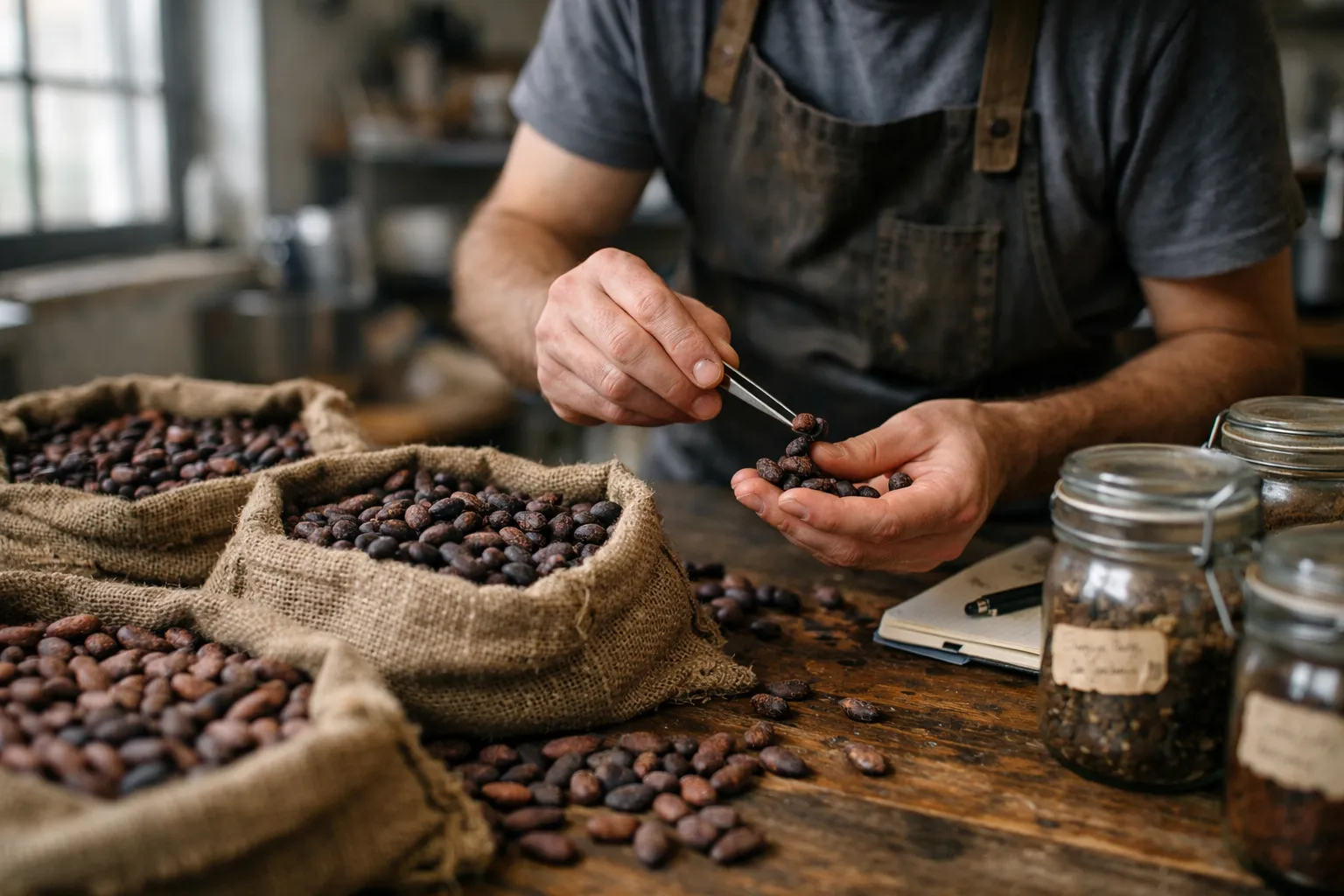
Overview: This update reviews how bean‑to‑bar and small‑batch craft chocolatiers have adjusted through August 2026 to the supply shocks that began in 2023. It synthesizes on‑the‑ground reporting from makers and cooperatives, recent industry signals, and practical advice for consumers who follow craft chocolate. The goal: explain what changed since mid‑2026, what results are already visible, and what buyers should do now.
Background: why the moment still matters
Between 2023 and 2026 the cocoa sector experienced overlapping stresses — extreme weather in West Africa, rising farmgate costs, pandemic‑era logistics aftershocks and ongoing labor constraints — that reduced predictability for flavor‑forward bean supply. Craft chocolatiers, which rely on traceability and nuanced origin expression, could not simply absorb volatility the way large manufacturers do via hedging and commodity blends. The result has been a practical restructuring of sourcing, on‑farm partnerships and commercial models across the craft segment.
What changed since July 2026: concrete trends and examples
Since the original July 2026 analysis, three developments have become prominent:
- Broader adoption of blended flagship lines. Several mid‑size makers that had resisted standard blends introduced permanent house blends to stabilize weekly production while keeping limited single‑origin releases. One U.S. maker we interviewed in July 2026 now lists a permanent “house dark 70” blend alongside quarterly micro‑lot launches; retail placement for the blend expanded to two national grocery chains in 2026.
- Scaling of on‑farm processing investments. Solar‑assisted dryers and standardized fermentation boxes moved from pilot projects to multi‑farm programs. Farm cooperatives in Ecuador and Peru report that credit lines and multi‑year purchase agreements from craft buyers accelerated adoption in 2025–26.
- Traceability reached a practical baseline. QR‑driven provenance pages are now expected by customers: harvest date, fermentation duration and drying method are commonly listed on bars. A cluster of craft brands coalesced around a shared metadata format for provenance in early 2026 to make provenance pages easier for consumers to compare.
Data and evidence: what makers and supply partners report
Home Chef Delights conducted interviews with 14 bean‑to‑bar makers and three export cooperatives between May and July 2026. Key takeaways:
- Makers reported more predictable inventory planning when they combined three tactics: (1) a permanent house blend, (2) forward contracts with two‑season delivery windows, and (3) targeted premiums for prioritized micro‑lots.
- Cooperatives emphasized better post‑harvest outcomes where buyers paid for infrastructure. Several drying‑yard projects that began in 2024 recorded lower rejection rates for fermentation faults in 2025–26.
- Retail buyers showed stronger interest in small‑format bars (35–45 g) as an impact on shelf velocity: smaller sizes sell at higher per‑gram prices and lower consumer friction for trying new origins.
Independent research published in 2025 and early 2026 (industry journals and NGO reports) reinforced those on‑the‑ground findings: investment in wet‑bean logistics and solar drying materially reduced off‑grade beans and increased the share of lots with desirable fermentation profiles. Those studies also noted that premiums and multi‑year contracts are the most effective incentives to change farmer practices.
Multiple perspectives: makers, cooperatives, and retailers
Small makers: Many say the pragmatic shift is toward resilience over purity. As one U.S. chocolatier told us, “We kept our micro‑lot program because collectors matter, but our bread‑and‑butter bar is now a blend that we can source year‑round.”
Cooperatives and farmers: Leaders reported that clear, predictable contracts plus technical support are crucial. A cooperative manager in northern Peru said the biggest barrier to scaling fermentation best practices is cash flow for inputs and labor during harvest peaks — not the know‑how.
Retailers and distributors: Larger specialty retailers are stocking multiple SKUs from the same maker (a premium single‑origin, a house blend and a small‑format sampler). Retail buyers prioritize consistent mouthfeel and shelf life over single‑origin marketing in routine purchases.
Practical adaptations in 2026: stronger playbooks
Across the segment the most effective playbooks combined three threads:
- Source flexibility with origin integrity: Brands keep a core profile through blends and label constituent origins clearly. Consumers see “blend of Peru, Dominican Rep., Ecuador – harvest 2026” rather than vague wording.
- Upstream quality funding: More brands formalized multi‑year agreements that include cash advances for fermentation/drying infrastructure. These agreements accelerated improvements and became a selling point on packaging and provenance pages.
- Commercial design to protect margins: Smaller formats, subscription boxes, and tiered pricing allow makers to sustain cash flow and buy larger micro‑lots when available.
Flavor outcomes: what to expect when tasting in late 2026
- More bars labeled as blends that include tasting narratives explaining how each origin contributes (acidity, mouthfeel, sweetness).
- Fermentation‑forward profiles where makers invested on‑farm: clearer fruit, floral esters and lower vegetal off‑notes.
- Increased seasonal variability in single‑origin releases — they are now true limited editions rather than regular catalog items.
- Better baseline consistency for house blends—expect predictable bitterness and texture even as constituent origins rotate.
Implications for consumers and food enthusiasts
For the informed buyer, these shifts mean three practical things:
- If you prize single‑origin clarity, be prepared to pay a premium and follow producer newsletters for release dates; many single‑origin lots now sell out at launch.
- If you want consistent everyday bars, consider house blends and subscription plans — they often offer the best value per gram and fund makers’ supply investments.
- Use provenance pages as working tools: harvest date, fermentation days, and photos from the drying yard are real indicators of craft practice, not marketing extras.
Outlook to the end of 2027: what to watch
Expect incremental gains rather than a single stability event. Key signals to follow:
- Whether cooperative credit programs scale in West Africa and Latin America — scaling will reduce midstream variability.
- Adoption of standardized provenance metadata across craft brands — greater standardization will help consumers compare lots objectively.
- Progress in climate‑resilient farming: trials of blight‑ or drought‑tolerant varieties and diversified agroforestry systems may change what origin labels mean for flavor over multiple seasons.
Actionable buying advice (what to do now)
- Favor makers that publish harvest dates, fermentation duration and drying method. These data correlate with care in post‑harvest processing.
- Try small‑format blended bars as a category unto themselves; judge them on consistency and flavor balance rather than as diluted single‑origin stand‑ins.
- Consider subscribing to a maker’s seasonal box — subscribers often get access to micro‑lots and help stabilize makers’ cash flow.
- When you can, support bars tied to visible on‑farm investments (photos, project descriptions or cooperative partners listed on provenance pages).
Conclusion
Through August 2026 the craft chocolate sector has moved from reactive to pragmatic. Makers now blend to preserve a reliable consumer experience while using targeted premiums and multi‑year agreements to foster on‑farm quality improvements. Traceability has shifted from novelty to baseline expectation. For food enthusiasts, the outcome is a more diverse tasting field: rarer single‑origin discoveries alongside better‑executed, story‑driven blends that reward repeat tasting.
Frequently asked questions
Will single‑origin craft bars disappear?
No. Single‑origin bars will become more limited and premium priced. Makers who can secure multi‑year commitments with farmer partners will continue releasing single‑origin lots, but these will often be marketed as seasonal or collector items.
Are blends “cheating” for craft chocolate lovers?
No. When transparent, blends are a legitimate craft choice. Many craft makers design blends intentionally to create a consistent house profile or to highlight complementary flavors. Look for labels that list constituent origins and harvest years.
How can I tell if a provenance page is meaningful or just marketing?
Meaningful provenance pages include specific harvest dates, fermentation duration, drying method (raised bed, solar, mechanical), photos from farms or drying yards, and a named cooperative or farm. Generic statements without those details are less reliable.
Should I buy smaller bars to try new origins?
Yes. Smaller formats (35–45 g) reduce financial risk when sampling new origins and are often the best price‑to‑taste ratio for new discoveries.