
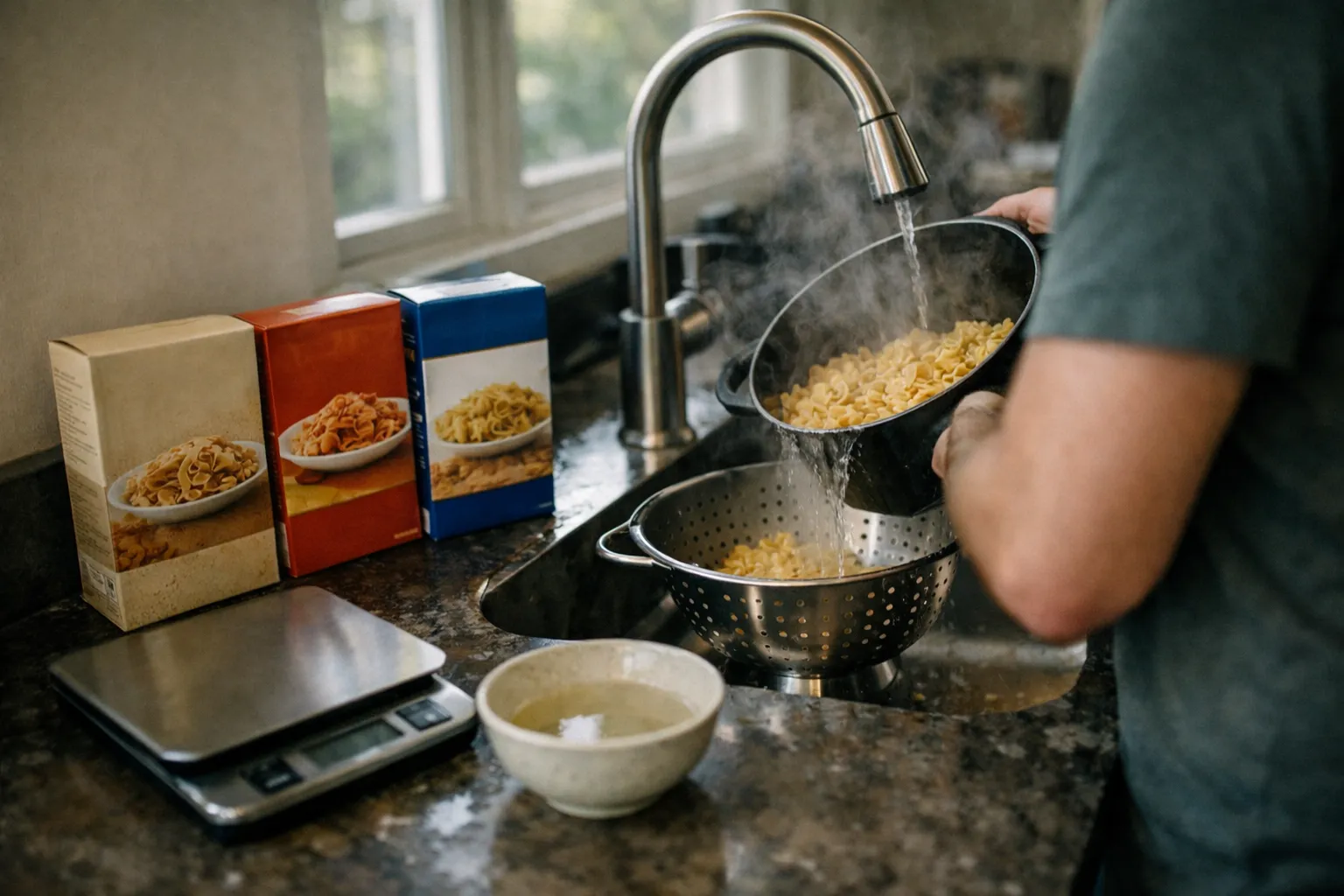
Overview: what we’re analyzing—and why it matters
High-protein pasta has moved from niche health-food case to an established grocery category. For readers who plan in decades—balancing pantry resilience, household nutrition and grocery-dollar efficiency—this August 2026 update explains what’s changed since mid‑2026, what matters now, and how to choose products that serve long-term meal planning and multigenerational households.
Background: how the category evolved into 2026
The structural drivers that reshaped the category through 2024–26 remain in force, but three near-term developments have sharpened choices for shoppers:
- Product diversification. Legume-only pastas, protein‑fortified durum wheats, and wheat‑pulse blends continue to coexist; more recently, manufacturers introduced textured “culinary-first” blends intended to mimic semolina mouthfeel while keeping protein high.
- Retail and private‑label pressure. Retailers expanded value-tier high‑protein SKUs and seasonal promotions in early 2026, narrowing the price gap between national brands and private labels—an important factor for cost-conscious households.
- Foodservice normalization. Fast‑casual chains and several national meal‑kit providers increasingly offer legume or blended pastas on menus, which both increases mainstream familiarity and puts culinary expectations on brands to match texture and sauce performance.
These shifts matter for long-term planning: product selection affects pantry longevity, meal prep consistency, and how easily you can sustain higher-protein meals across decades and generations.
Data and evidence: how “high-protein pasta” differs by the numbers
1) What “high protein” usually means on the label
Standard durum semolina pasta typically lists about 7–9 grams of protein per 2 oz (56 g) dry serving. High‑protein options in 2026 still range roughly 12–20+ grams per 2 oz dry, with the upper end reached by pulse‑only formulas or heavily fortified wheat blends. Common formats:
- Legume-only pastas (chickpea, red lentil, yellow pea) — deliver protein and fiber together, often >12 g protein and 5–8 g fiber per dry serving.
- Protein-enriched wheat pastas — semolina plus isolates (pea, soy) or vital wheat gluten; these keep familiar chew and broad cooking tolerance while boosting protein modestly.
- Blended pastas — wheat + pulse flours aiming for balance of texture, flavor and nutrition.
2) Protein quality and meal context
Pulses and wheat complement one another on amino‑acid profiles—pulses are higher in lysine, wheat higher in methionine—so blended meals often improve overall protein quality. For non‑clinical eaters, dietitians continue to emphasize meal‑level completeness (pairing grains/pulses with dairy, eggs, fish or nuts across the day) rather than focusing on a single food’s amino‑acid score.
3) Cost: updated ways to compare value
Price pressure from private labels and promotions means shoppers should routinely run the same price‑per‑protein math that many chefs and buying managers use. Updated, practical method:
- Note the box price and the grams of protein per dry serving (most brands report dry servings).
- Compute price per serving: box price ÷ servings per box.
- Compute cost per 10 g protein: (price per serving ÷ grams protein per serving) × 10.
Example: $3.99 box, 8 servings, 16 g protein per serving → price/serving = $0.50; cost per 10 g protein = ($0.50 ÷ 16) × 10 = $0.31. That quick calculation often shows that fortified wheat blends or private‑label mixes can rival premium legume‑only boxes on protein-per-dollar.
Two practical caveats: confirm the protein basis (dry vs cooked) and factor fiber, sodium and calories into your value equation.
4) Label transparency and new claims to watch
Since mid‑2026, several manufacturers and a few retail trade associations have promoted clearer serving definitions—voluntary guidelines encouraging brands to report grams of protein per 100 g cooked as well as per dry serving. When available, per‑100 g cooked figures make cross‑brand comparisons easier for home cooks who measure by cup. Also watch for:
- “Per cooked cup” claims that can mislead—verify conversion factors.
- Ingredient prominence—protein isolates listed high in the ingredient deck signal that mouthfeel may differ from semolina‑forward products.
- Allergen and FODMAP callouts for pulse concentrates that may trigger sensitivity in some consumers.
5) Cooking and reheating performance: real‑world tips for 2026 kitchens
Texture remains the defining consumer experience. Across formats:
- Fortified durum pastas behave most like conventional pasta—wider doneness margin and easiest for batch cooking and reheating.
- Legume-only pastas can be firmer but have a narrower cooking window and are more sensitive to over‑reheating.
- Blends are the pragmatic family choice: better texture for kids and seniors, plus a protein lift.
Updated kitchen practices through August 2026:
- Use a digital timer and taste early. For many pulse pastas, 30–90 seconds makes the difference.
- Finish in sauce. Bring pasta 60–90 seconds short of target doneness and finish in the pan with sauce and reserved water.
- Reheating: prefer stovetop or low‑heat skillet. Microwave reheating works but add sauce or a splash of liquid and keep times short; consider pan‑finish with a bit of olive oil to restore mouthfeel.
- Meal prep approach. Undercook by 60–90 seconds if planning refrigerated meals; store with sauce to protect structure.
Multiple perspectives: what stakeholders are saying
Retailers and CPG brands
Retail buyers tell me the category is now a volume play at the value tier: private labels and multipack promotions are designed to win repeat weekly baskets. National brands increasingly market culinary performance—texture and sauce pairing—because macro claims alone no longer secure loyalty.
Dietitians and clinicians
Registered dietitians emphasize how high‑protein pasta can help older adults protect muscle mass and support satiety in weight‑management plans. They continue to caution on fiber tolerance and recommend a gradual introduction of pulse-based pastas for households prone to digestive sensitivity.
Chefs and operators
Professional cooks treat legume pastas as distinct ingredients, not 1:1 substitutes. Short, ridged shapes and creamier emulsified sauces are their go-to techniques. Several national meal‑kit services now include blended pastas to simplify at-home execution for customers while delivering higher protein content.
Implications: practical guidance for long-term pantry and meal planning
1) Match product to outcome
- Classic texture & easiest reheating: protein‑enriched durum wheat.
- Maximum protein + fiber: legume‑only pastas, used selectively or blended.
- Best family compromise: wheat‑pulse blends or a 50/50 mix in the pot—keeps kids, seniors and guests satisfied while lifting protein.
2) Use the cost‑per‑protein calculation at purchase
If protein density is a household priority, keep doing the math at the shelf or online. Don’t assume premium branding equals better value—private labels and blends often win on protein-per-dollar.
3) Plan for digestion and preferences
Introduce pulse pastas progressively for households with sensitive guts. Start with blended meals, increase pulse proportion over weeks, and prioritize hydration and balanced meals with vegetables and some healthy fat to improve tolerance.
4) Stock smart for the long term
Dry pasta stores well; rotate stock like you would other pantry staples. For long‑term food security, keep a mix—some fortified durum for familiar comfort meals, and some pulse pastas for nutritional diversity. Label your pantry with open dates and use older boxes in batch meals first.
Outlook: what to watch through the rest of 2026
- Label standardization. Expect more brands to publish cooked‑basis macronutrients and clearer serving conversions.
- Private‑label compression. Retail value lines will likely continue compressing premiums on single‑source legume pastas.
- Culinary innovation. Look for more chef‑formulated blends targeted at fast reheating and pan‑finish performance.
- Broader channel adoption. Fast‑casual, meal kits and school food programs will cautiously expand use, normalizing pulse options among families and older consumers.
FAQ
Is high‑protein pasta always healthier than regular pasta?
Not automatically. High‑protein pastas can add protein and often fiber, but overall meal context—vegetables, sauce type, sodium, calories and portion size—determines healthfulness more than a single swap.
How should I compare protein claims on different boxes?
Check whether protein is listed per dry serving or per cooked cup. Prefer brands that provide both dry and cooked figures or grams per 100 g cooked. Then compute cost per 10 g protein to compare value—don't judge on package headline claims alone.
What’s the best way to prevent legume pasta from going mushy?
Taste early and stop boiling 60–90 seconds before target doneness, then finish in the sauce with reserved pasta water. Avoid prolonged reheating without sauce; store cooked legume pasta with sauce if you plan to reheat.
Which format is best for meal prep and reheating?
Blended formulas and protein‑enriched durum wheats reheat most consistently. For legume‑only pastas, undercook for meal prep, store with sauce, and reheat gently on the stovetop or in a low‑heat oven to preserve texture.
Can high‑protein pasta help with long‑term weight or muscle goals?
It can be a useful tool because protein increases satiety and supports muscle maintenance; success depends on the full meal pattern and individualized guidance, particularly for older adults or people on medical interventions. Consider consulting a registered dietitian for personalized targets.