Overview
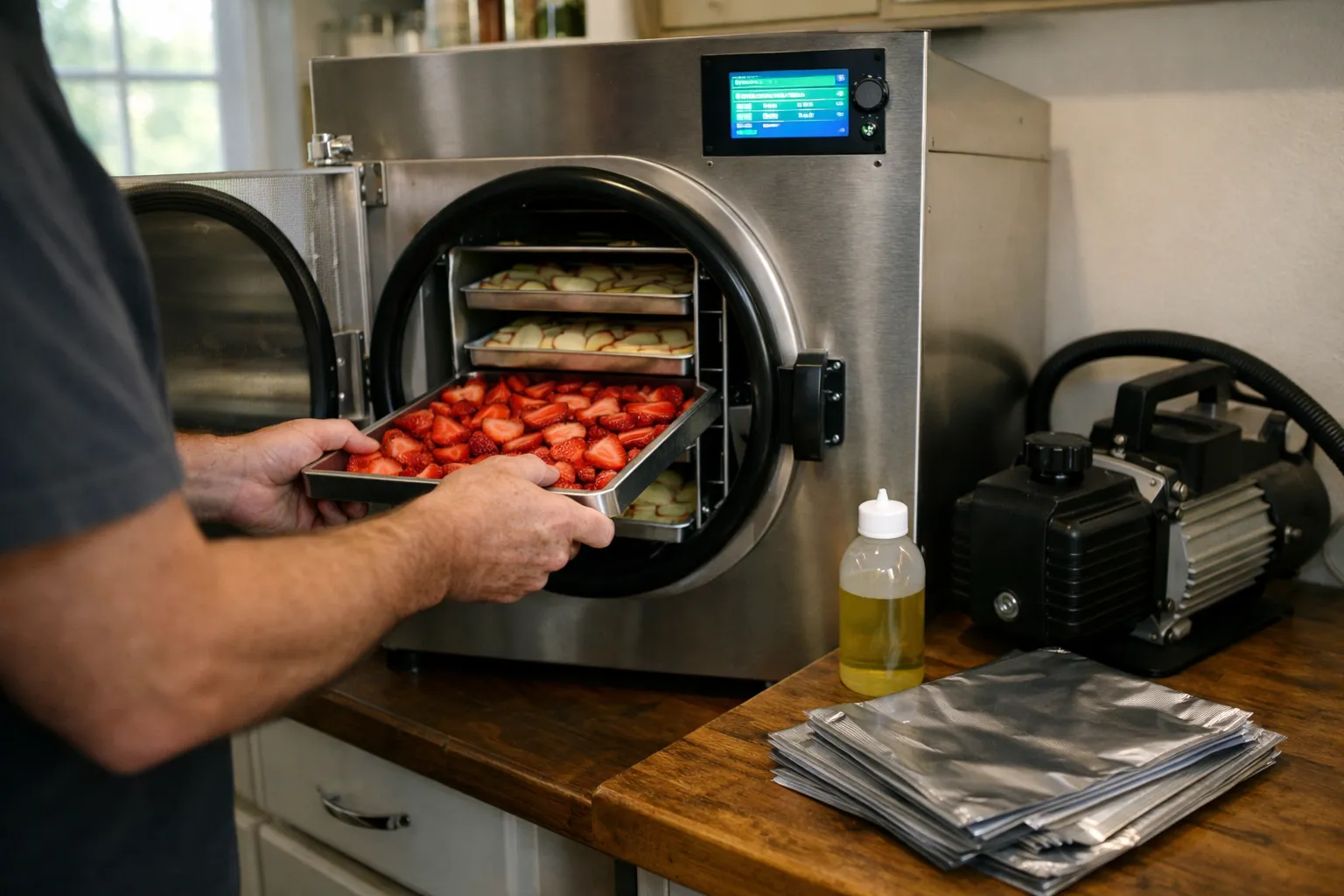
What we reviewed: the Harvest Right Large home freeze dryer (tested July 2026). Key at-a-glance specs and context: chamber-sized model for families and small producers; supports multiple stainless-steel trays; ships with a factory-matched vacuum pump; automated cycle control. Typical runs in our testing ranged from single-tray fruit runs under 24 hours to dense stews requiring multi-day cycles. This update focuses on what’s changed since mid-2024 and practical, timely advice for readers considering purchase or use in 2026.
Background
Harvest Right remains the most visible consumer brand in the home freeze-dryer category. The company’s Small, Medium and Large models continue to target different household scales; the Large is positioned for gardeners, small-scale food entrepreneurs and serious outdoor cooks. Since this product category matured, two trends matter in 2026:
- Broader adoption for small-scale food businesses and specialty snack producers, especially for plant-based and shelf-stable gourmet ingredients.
- Expanded secondary market (used units, community co-ops, and contract freeze-drying services) that can lower the effective cost of entry for occasional users.
Features Analysis — what matters in daily use
- Chamber and trays: The Large supports multiple trays with a footprint suited to family-sized batches. How you cut and distribute product on trays remains the single biggest determinant of cycle speed and quality—thin, evenly spaced pieces dry faster and more predictably than mounded or uneven loads.
- Vacuum pump: A matched oil-based pump remains standard. Expect routine oil changes and filter swaps; build maintenance into your cost and schedule. In 2026 there are more third-party maintenance kits and services available than two years ago, which can reduce downtime and per-service cost.
- Automation and controls: The unit sequences freeze, vacuum, and warm phases automatically. Our July 2026 test unit’s touchscreen and cycle-logging were unchanged in core behavior; however, more users now pair cycle notes with smartphone spreadsheets or simple QR-coded log tags for traceability when selling products.
- Accessory ecosystem: Vacuum heat-sealers, mylar bags, oxygen absorbers, and jar-sealing kits remain essential. In 2026, expect more third-party vacuum bag formats and commercially produced long-term storage pouches tailored to freeze-dried retail goods.
Performance: what freeze-drying delivers now
The Large still delivers the core freeze-drying benefits: dramatically reduced weight, long shelf stability when packaged correctly, and concentrated flavor. Specific, practical findings from our July 2026 testing:
- Fresh fruit (strawberries, apples, peaches): Very good flavor retention; strawberries become brittle and excellent as snacks or baking inclusions. Slicing thin (3–5 mm) reduced cycle time and improved rehydration.
- Cooked proteins (chicken, beef stew, plant-based ribs): Stews and sauced proteins rehydrate more successfully than plain roasted cuts. Plant-based protein blocks (tofu-based and mycoprotein) performed well as long as they were pre-cooked and portioned.
- Dairy and cultured foods: Greek-style yogurt and strained kefir converted to powder that reconstituted into usable textures—good for baking and powdered mixes. Live probiotic viability varies; don’t assume full retention unless verified by lab testing.
- Mash and purees: Mashed potato, pumpkin purée and baby-food blends reconstituted smoothly and are now commonly prepared by parents and small-batch producers for lightweight, ready-to-eat offerings.
- Herbs and aromatics: Freeze-dried herbs retain color and volatile aromatics better than air-dried alternatives in most cases—especially beneficial for finishing salts and specialty blends.
Cycle planning remains critical. Thin slices and single-layer loads greatly speed throughput; thick, dense or sauced items can tie up the machine for 36–72 hours. Most serious users consolidate to full loads to optimize energy and time.
Usability, maintenance and practical notes (2026 update)
- Setup and workflow: Prep time (slicing, pre-freezing, tray organization) continues to exceed hands-on machine time. In 2026, efficient workflows—pre-sliced cryo-trays, color-coded logs, and batch numbering—are common among micro-producers to keep turnaround predictable.
- Noise and placement: Still best placed in a ventilated garage, utility room or dedicated pantry. The vacuum pump hum is steady; consider anti-vibration feet and foam-panel acoustic dampening if placed near living spaces.
- Maintenance & consumables: Plan for periodic pump oil changes, filter swaps, replacement vacuum hoses and sealing consumables. Access to third-party supplies is better now; many independent sellers offer maintenance kits and extended-service options.
- Running costs: Freeze-drying remains energy- and time-intensive. To reduce per-unit cost, consolidate batches, run during lower-tariff hours where available, and use pre-freezing strategies to shorten the refrigeration phase.
Pros and cons — updated
- Pros: Best-in-class home convenience for long-term, lightweight food; broadening uses in 2026 (plant-based meals, powdered dairy, baby foods, artisan snacks); growing aftermarket support and service options.
- Cons: Upfront cost and physical footprint remain high barriers; multi-day cycles limit flexibility; vacuum pump upkeep is non-trivial; regulatory and labeling requirements can complicate small-business use if you sell food commercially.
Pricing and value (what to expect in July 2026)
Retail pricing for a new Large unit varies by configuration, shipping and seasonal discounts; buyers should expect to budget for the machine plus essential extras—vacuum sealer, sealing bags/pouches, additional trays and routine maintenance supplies. A growing used-equipment market can reduce entry cost but requires careful inspection of pump hours, oil condition and seals. Financing is commonly available directly from suppliers and third-party vendors; extended warranties and service plans are worth considering if you plan commercial use.
Who it’s for
The Harvest Right Large remains best for:
- Gardeners and small orchard owners who process large seasonal yields and want higher-quality preserved product than canning or standard dehydration provides.
- Backcountry and outdoor cooks who prioritize ultra-light, flavorful meals for multi-day trips.
- Micro-producers, cottage-food operators and artisanal snack makers who need shelf-stable retail products and can absorb the equipment and compliance costs.
Not recommended for casual preservers who process small quantities occasionally—contract freeze-drying services, community co-ops, or retail freeze-dried products are more cost-effective there.
Alternatives
- Harvest Right Small/Medium: Lower-cost options with smaller footprint — better for hobbyists and smaller batch needs.
- Industrial/lab suppliers (e.g., SP Scientific / Cuddon): Higher-capacity, higher-cost machines aimed at commercial or laboratory use; better for scale but overkill for most home users.
- Contract freeze-drying services & commercial brands (e.g., Mountain House products for ready-made options): Use these if you need occasional freeze-drying or want shelf-stable foods without equipment ownership.
Verdict
As of July 2026 the Harvest Right Large remains the pragmatic choice for motivated home users and small producers who need full‑featured freeze-drying at household scale. The core strengths—excellent flavor retention, long shelf life, and flexible use cases—haven’t changed. What has improved is the surrounding ecosystem: better third-party maintenance options, accessory variety, and a livelier secondhand market. Those developments lower lifetime cost and risk for some buyers.
Bottom line: buy the Large if you have a clear, recurring need (seasonal harvest volumes, small-business production, or frequent backpacking meal prep). Otherwise, evaluate contract services, smaller models or used units first to validate demand.
FAQ
How much maintenance does the vacuum pump need?
Routine maintenance is required: periodic oil changes, filter checks and occasional hose or seal replacement. Frequency depends on use intensity—heavy commercial use demands more frequent service. In 2026, third-party maintenance kits and local service providers make upkeep easier and often cheaper than manufacturer-only servicing.
Can I sell freeze-dried food I make at home?
Possibly—but you must follow your local food-safety, labeling and cottage-food regulations. Requirements differ widely by state and country. If you plan to sell, consult your local health department and consider testing for moisture/aw content and microbial safety for complex products.
Is a home freeze dryer energy-efficient?
Freeze-drying is energy- and time-intensive. Efficiency improves when you consolidate full loads, pre-freeze products properly, and schedule runs during lower electricity-rate periods. For occasional users, contract services are often more economical.
Are there better options for preserving herbs and leafy greens?
For small quantities, flash-freezing or dehydrators can be cheaper and faster. For best flavor and color retention at scale, freeze-drying outperforms air-drying—but balance the cost and frequency of use before investing in a Large unit.
What should I look for when buying a used unit?
Inspect pump hours and oil condition, test vacuum seals, check chamber and tray integrity, and confirm functionality of the control panel. Ask for maintenance records and, if possible, run a short trial cycle before purchase.