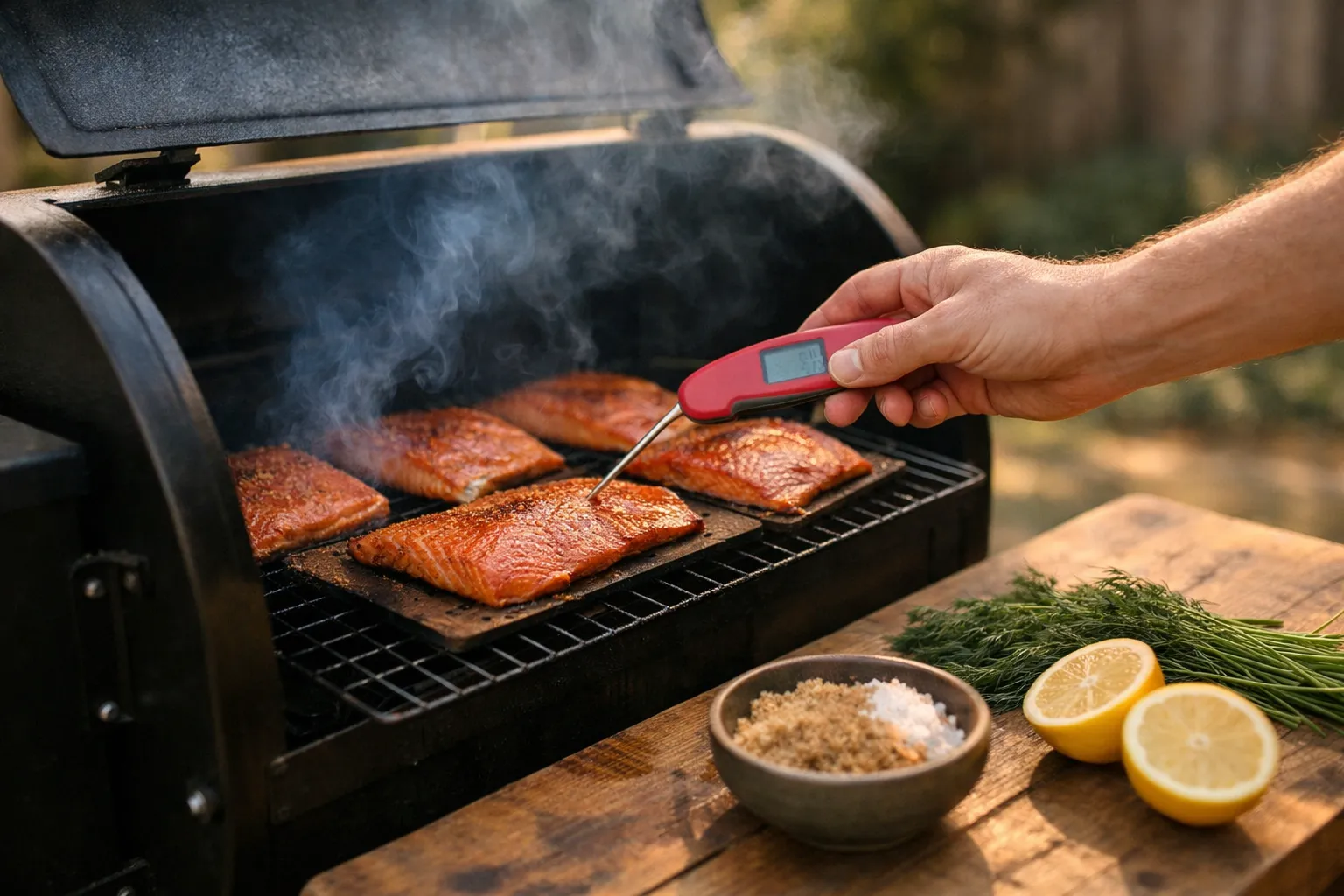
Smoking food at home continues to be one of the most rewarding ways to add depth and complexity to everyday ingredients. This November 2026 update focuses on what changed since September 2026 and what matters right now: incremental hardware improvements (more reliable PID and fail‑safe sensors), wider consumer emphasis on emissions and clean combustion, hybrid cooking workflows that increase safety and texture control, and fresh, practical recipes — including plant‑based options. This guide is for food enthusiasts and weekend pitmasters who want up‑to‑date methods, equipment guidance, and safety‑first recipes that produce predictable results.
Prerequisites & context: what’s current in Nov 2026
Since mid‑2026 the market and home‑cook practices have evolved, but not dramatically. Key trends you should know before you start:
- Smarter control, not magic: PID controllers and closed‑loop temperature systems are now common across more price points, and many pellet smokers ship with pellet‑level sensors and basic fail alerts. These features improve stability on long cooks but do not replace a calibrated leave‑in probe placed in the food.
- Cleaner combustion matters: Consumers and some regional regulators are more attentive to visible smoke and emissions. Practical outcomes: more cookbooks and companies emphasize dry, well‑seasoned wood, adequate airflow, and avoiding smoldering fuel piles to reduce acrid flavors and soot.
- Hybrid cooking is mainstream: Sous‑vide + smoke finishing is now a standard method for reliably pasteurizing and controlling texture before adding smoke and bark. It shortens smoker time and reduces risk for long low‑temperature cooks.
- Local restrictions are active: In many fire‑season areas municipalities issue burn bans or restrict visible smoke during poor air quality days—check municipal websites and air‑quality apps before long outdoor cooks.
Why smoke at home?
Smoking does three practical things to food: it deposits flavor compounds, modifies texture through slow heat and/or drying, and offers a broad palette of finishes from delicate to assertive. Concretely:
- Flavor depth: Controlled smoke exposure adds savory phenolics and subtle sweetness that pair well with herbs, sugars and acids.
- Texture control: Low‑and‑slow cooks convert collagen to gelatin in tough cuts; cold smoking and light drying alter mouthfeel in cheeses and vegetables.
- Versatility: Hot smoking yields ready‑to‑eat proteins; cold smoking is useful for finishing butter, cheese, tofu or vegetables when combined with proper curing or refrigeration.
Choose the right method: hot vs cold vs hybrid
Hot smoking (practical ranges and uses)
- Temperature ranges:
- Low‑and‑slow meats: 225–275°F (107–135°C)
- Quicker poultry roasts and finishing: 300–350°F (149–177°C)
- Use for: ribs, pork shoulder, whole chicken, hot‑smoked fish, vegetables, tofu steaks.
- Food safety: Follow USDA internal temperature targets—poultry 165°F (74°C); whole‑muscle pork and fish 145°F (63°C) with a 3‑minute rest; ground meats 160°F (71°C). Pulled pork is often cooked to 195–205°F (90–96°C) for tenderness rather than a minimum safety temp.
Cold smoking (what’s safe at home)
- Temperature range: Keep product exposure below about 90°F (32°C), ideally 60–80°F (15–27°C).
- Use for: smoked cheese, butter, cured fish and other items that have been safely cured or pasteurized as appropriate.
- Safety: Cold‑smoked raw proteins require validated curing steps and cold chain maintenance. If you don’t have tested curing protocols and precise dosing scales for curing salts, use hot smoke instead or follow university/commercial recipes.
Hybrid workflows (now a practical default)
Hybrid techniques give consistent, measurable results and reduce time spent in the smoker:
- Sous‑vide then smoke: Vacuum‑seal protein and sous‑vide to a temperature/time proven to pasteurize (consult USDA pasteurization tables). Chill if you will store, then finish in a preheated smoker at 225–300°F for 20–90 minutes until you achieve desired bark and smoke intensity.
- Reverse sear + smoke: Slowly approach but stop short of final temperature, rest, then sear or finish at high heat while adding 10–30 minutes of smoke for flavor without lengthy exposure.
Equipment in late 2026: buy for reliability and safety
When choosing gear, prioritize temperature control, reliability, and serviceable components. What’s different now:
- More models have quality‑of‑life features—pellet‑level sensors, dual probes, and conservative fail modes that shut off augers if pellet hopper sensors detect moisture.
- High‑end units increasingly offer emission‑mitigation accessories (baffled exhausts, optional catalytic elements). These reduce visible soot and can help on restricted burn days, but they add cost and maintenance.
Beginner‑friendly
- Electric smokers and compact pellet grills: Good for predictable temp control and beginner workflows. Look for units with accurate PID and at least one leave‑in probe port.
- Small cold‑smoke attachments: Cheap handheld cold smoke generators exist, but choose models that allow you to route smoke outside or into a dedicated chamber to avoid raising ambient kitchen smoke.
Intermediate to advanced
- Kamado ceramic cookers and offset smokers: Better for smoke nuance and high‑heat finishing; they require fuel management skills.
- Large cabinet smokers and commercial‑style pellet smokers: Preferable for long brisket or multi‑rack cooks because of airflow stability and serviceable components.
Wood choices and pairings (practical pairing table)
Match wood to the ingredient, and start mild if you’re unsure. Example pairings:
- Apple/cherry — poultry, pork, fish (mild, fruity)
- Alder — salmon, delicate fish (classic, light)
- Maple — pork, vegetables (mild, slightly sweet)
- Hickory — pork, robust beef applications (strong; use sparingly)
- Oak — brisket and long cooks (steady, versatile)
- Mesquite — intense, short cooks on bold cuts
Preparation: brines, cures and rubs (practical updates)
Two short updates to previous practice:
- High humidity summers slow pellicle formation—plan extra fridge air‑dry time or use a fan to hasten tackiness.
- For cured items, light cold smoke in the refrigerator (brief sessions) can build flavor without extended exposure that raises safety concerns—only after proper curing.
Wet brine for poultry (basic & why it works)
Dissolve 1/2 cup coarse kosher salt and 1/2 cup granulated sugar per gallon (3.8 L) of water. Submerge bird, refrigerate 4–8 hours. Rinse lightly, pat dry, and air‑dry uncovered in the fridge 2–12 hours to form a pellicle; the tacky surface helps smoke compounds adhere and promotes even browning.
Simple cure for salmon (hot‑smoked)
For a 2–3 lb fillet: mix 1/4 cup coarse kosher salt and 1/4 cup brown sugar with 1 tbsp cracked black pepper and 1 tbsp lemon zest. Massage into flesh, refrigerate skin‑side down on a rack 4–6 hours, rinse, pat dry and air‑dry to form a pellicle. Proper salting firms the flesh and reduces surface moisture for better smoke adhesion.
Dry rub for pork shoulder
Combine 1/4 cup coarse kosher salt, 1/4 cup brown sugar, 2 tbsp smoked paprika, 1 tbsp black pepper, 2 tsp garlic powder, 2 tsp onion powder, 1 tsp cayenne. Apply liberally and rest 2–12 hours. Salt tones flavor and sugar helps bark color.
Curing salts and cold‑smoking safety
Only use commercially labeled curing salts (Prague Powder #1 for short cures; #2 for shelf‑stable cures) and follow manufacturer dosing precisely. Improper curing can permit dangerous organisms such as Clostridium botulinum. For home curing, rely on tested recipes from universities, professional processors, or food‑safety authorities.
Step‑by‑step smoking workflow
- Decide the method (hot, cold, hybrid) based on your ingredient and time. For safety‑minded cooks, pick hot smoking or sous‑vide + smoke for proteins you will eat soon.
- Prepare the ingredient: brine, cure, or rub. For cold‑smoked items, ensure validated curing and a reliable cold chain.
- Preheat smoker to target temp (e.g., 225°F/107°C for low‑and‑slow). Confirm with a separate thermometer if your unit lacks accuracy verification.
- Load wood: start with a mild wood for the first 60–90 minutes; reserve stronger woods for short bursts later if desired. This avoids overpowering early penetration.
- Place the food with airflow around it. Insert a calibrated leave‑in probe into the thickest muscle (away from bone). Verify probe accuracy periodically (ice‑water 32°F or boiling point test adjusted for altitude).
- Maintain temperature and combustion. For long cooks use a water pan to stabilize temps and help interior moisture. For pellet or electric units, monitor pellet hopper for condensation or spoilage and keep the controller updated if firmware patches are available.
- Finish to target internal temperature or tenderness metric. For pulled pork, test for probe‑tenderness (195–205°F commonly). Rest meats wrapped (or tented) 30–60 minutes to redistribute juices.
- Chill cold‑smoked or cured items promptly to safe temperatures and label with date. Refrigerate or freeze per guidelines.
Five practical recipes to try (current, tested approach)
1. Hot‑Smoked Whole Chicken (225–275°F)
- Brine: 1/2 cup kosher salt + 1/2 cup sugar per gallon; 4–8 hours. Rinse and dry 2–6 hours in fridge.
- Rub: 2 tbsp olive oil, 1 tbsp smoked paprika, 1 tsp garlic powder, 1 tsp salt, 1 tsp pepper.
- Smoke: 275°F (135°C) until the thickest part of the thigh reaches 165°F (74°C). Typical 2–3 hours. For crisper skin briefly raise to 375°F (190°C) or finish over direct heat 10–15 minutes.
- Rest 10–15 minutes before carving. Why: resting equalizes juices and completes carryover cooking.
2. Pulled Pork Shoulder (classic or sous‑vide hybrid)
- Dry rub: as above; rest 2–12 hours.
- Classic: smoke at 225°F (107°C) to 195–205°F (90–96°C) and probe‑tender — typically 10–16 hours for 6–8 lb shoulder.
- Hybrid: vacuum‑seal and sous‑vide at 165°F (74°C) for 18–24 hours (pasteurization and collagen breakdown); chill briefly, then finish at 250–275°F for 45–90 minutes to build bark and smoke flavor.
- Rest wrapped 1 hour, then pull. Why hybrid works: it guarantees pasteurization and shortens smoker time, reducing exposure to variable outdoor conditions.
3. Hot‑Smoked Salmon (single fillet)
- Cure: 1/4 cup kosher salt + 1/4 cup brown sugar for 2–3 lb fillet; 4–6 hours. Rinse and air‑dry to pellicle.
- Smoke: 225°F (107°C) to 145°F (63°C). Use alder or apple for a delicate finish; 1–2 hours is typical.
- Store refrigerated; consume within 3–4 days. Why: salting reduces surface moisture for better smoke adhesion and shelf stability for chilled storage.
4. Smoked Cheddar (short, safe sessions)
- Use pasteurized, well‑chilled cheese. Keep chamber below 80–90°F. Smoke 1–4 hours, turning hourly. Vacuum‑seal after smoking to mellow flavors over 24–48 hours.
- Why: brief, cold sessions add smoke aromatics without melting or compromising texture.
5. Smoked Tofu Steaks (plant‑based, contemporary)
- Press 14 oz (400 g) firm tofu for 30–60 minutes, then slice 3/4" thick. Marinate 30–60 minutes in 2 tbsp soy, 1 tbsp maple, 1 tsp smoked paprika, 1 clove minced garlic.
- Smoke at 225°F (107°C) for 45–60 minutes over apple or cherry wood, turning once. Finish with a quick sear on high heat for texture.
- Why: tofu absorbs smoke well after pressing, creating a savory, meaty texture in a short cook.
Common problems and fixes
- Bitter or acrid smoke: Fuel is smoldering or too wet. Use kiln‑dried wood, increase airflow, and aim for hot, clean combustion rather than a smolder.
- No smoke flavor: No pellicle or too‑short exposure. Air‑dry proteins to form a tacky pellicle and extend clean smoke contact time.
- Dry meat: Overcooking or too high a temp. Lower temp, use a water pan and monitor internal temp rather than clock time.
- Excessive char/PAH concerns: Avoid direct flame contact; trim heavily charred edges; prefer cleaner-burning fuels and moderate smoke dosing.
Pro tips (advanced)
- Probe strategy: Place the leave‑in probe in the thickest, most representative muscle, away from bone and large fat pockets. Confirm with a second instant‑read thermometer during long cooks.
- Recordkeeping: Note wood type, ambient temperature, placement, and time. Small incremental changes in timing or wood give more control than turning up smoke volume.
- Mixed woods: Begin with fruit woods, then add oak or hickory for body toward the end of a long cook—this avoids early overpowering flavor.
- Smart smoker caution: Treat app alerts as notifications; keep a hardwired or battery‑backed probe to protect against network or app failures during overnight cooks.
- Scale for curing: For cured shelf‑stable products, use a precision scale and follow tested industrial or university protocols; do not guess curing salt doses.
Safety checklist
- Always verify internal temperatures with a calibrated probe thermometer.
- Follow curing‑salt manufacturer dosing exactly for cold smoking or shelf‑stable products.
- Keep cold‑smoked items refrigerated and label with date. For pregnant or immunocompromised diners, prefer pasteurized or hot‑smoked products.
- Check local air‑quality and burn rules before outdoor smoking. Use spark arrestors and keep safe distances from structures.
- Clean smokers regularly to prevent creosote build‑up and grease fires; remove ash and drip residue after major cooks.
Frequently asked questions
Can I rely on a smart, Wi‑Fi pellet smoker for an overnight cook?
Yes—many modern pellet smokers are engineered for overnight runs with PID control and pellet‑level sensing. However, always use a calibrated leave‑in probe for the food itself, place the smoker outdoors in a safe ventilated spot, and set conservative fail modes (e.g., high‑temp alerts and auto‑shutoff for auger faults). Treat app alerts as useful but not fail‑safe.
Is cold‑smoked salmon safe to make at home?
Cold‑smoked salmon can be safe if you follow a validated curing protocol and maintain the cold chain. If you are new to curing, choose hot smoking or follow tested recipes from universities or reputable food‑safety sources. For home cold smoking, precise curing salt dosing and strict refrigeration are essential.
How can I reduce bitter or acrid smoke flavor quickly?
Stop adding fresh fuel, increase airflow to convert smoldering into hotter combustion, and remove any wet or green wood. If meat tastes acrid, trim charred surfaces before serving. Preventively, use kiln‑dried wood and avoid smoldering pile starts.
Should I be concerned about PAHs and nitrosamines in smoked food?
There is a practical way to reduce exposure: avoid direct flame contact, limit heavily charred surfaces, maintain clean combustion with dry fuel and good airflow, and follow proper curing protocols. For higher‑risk individuals (pregnant, very young, elderly, immunocompromised), moderate consumption of heavily smoked or home‑cured items.
What’s the best first smoking project in late 2026?
A whole chicken or a hot‑smoked salmon fillet remain the best starter projects: they’re forgiving, cook in a few hours, and teach pellicle formation, probe placement, and smoke management without a full‑day commitment. For plant‑based cooks, smoked tofu steaks are an approachable, quick project that demonstrates smoke uptake and finishing technique.
Smoking at home rewards patience, careful records, and attention to safety. In November 2026 the practical changes are incremental: smarter controllers, more sensors, and greater consumer attention to clean combustion and regulatory constraints. Use hybrid workflows where they make sense, prioritize verified curing and pasteurization steps, and treat smart features as aids rather than replacements for core food‑safety practices. Work safely, taste critically, and expand projects gradually—the payoff is consistent, nuanced flavor that enhances your regular cooking rotation.