Overview
What we’re reviewing: Sunbasket’s Diabetes‑Friendly meal plan, updated for November 2026. Key specs at a glance: chef‑developed recipe kits plus Fresh & Ready refrigerated entrées labeled for diabetes‑aware and controlled‑carb preferences; focus on lean proteins, nonstarchy vegetables and measured portions of lower‑glycemic grains/legumes. Typical kit prep time: 20–40 minutes; Fresh & Ready heat‑and‑eat: 2–4 minutes. Recent per‑serving price range (Nov 2026): recipe kits commonly $13–$17 per serving; Fresh & Ready single‑serve meals typically $10–$14, depending on protein choice and promotions.
Background
Who makes this and who it’s for: Sunbasket is a national meal‑kit and prepared‑meal company built around fresh, often organic produce and sustainably sourced proteins. The Diabetes‑Friendly filter—introduced in 2020—remains a menu category aimed at people with type 2 diabetes, prediabetes, or anyone seeking portion‑controlled, lower‑glycemic meals. The plan is a lifestyle/food product, not medical nutrition therapy; registered dietitians and clinicians should still be consulted for individualized insulin or medical plans.
Features Analysis
How the plan works today: Diabetes‑Friendly remains an explicit menu filter in Sunbasket’s subscription flow. You can mix kits and Fresh & Ready items, choose two‑ or four‑person boxes, and swap meals across categories. Nutrition panels on the site and recipe cards continue to list calories, protein and fiber; since mid‑2026 the company has expanded the number of cards showing total and net carbohydrates and where present, added sugars—useful when counting carbs for insulin dosing or glycemic control.
Nutrition and real‑world glycemic control
Across the November rotation I tested and reviewed, the Diabetes‑Friendly selections still follow diabetes‑aware principles: lean proteins (salmon, chicken, turkey, tempeh), generous nonstarchy vegetables and modest portions of whole grains or legumes (farro, lentils, black barley). Plated dinners generally fall in the 400–700 kcal range and often 25–50 g total carbohydrate per serving; many meals provide 5–12 g fiber, which supports blunted post‑meal glucose rises.
Practical note: “Diabetes‑Friendly” is a useful sorting tool, but carbohydrate totals are reported per recipe serving as plated. If you require strict carb targets (for example 30 g/meal for therapeutic low‑carb), selectively order or adjust portions—swap grains for extra vegetables, or split a higher‑carb side across two servings.
CGMs and personalization — new best practice
One clear 2024–26 trend accelerated into late 2026: broader CGM (continuous glucose monitor) use among people with type 2 diabetes and informed consumers. Dietitians I spoke with recommend using a CGM to empirically compare similar meals from the menu—Fresh & Ready vs. kit, cauliflower rice vs. farro, or different sauces. Many users report that sauces or sweet glazes, rather than the grain itself, produce the largest post‑meal excursions. The combination of visible nutrition labels plus personal CGM data makes consistent choices faster and less guesswork‑driven.
Taste, texture and menu refresh
Sunbasket’s culinary team has kept variety high. Recent Diabetes‑Friendly highlights in November 2026 included a miso‑ginger cod with black barley and sautéed bok choy, harissa turkey meatballs over lentil pilaf with grilled zucchini, and a chipotle‑lime shrimp bowl served on cauliflower rice with charred corn. Fresh & Ready entrées maintain reasonable texture after refrigeration; proteins remain visibly fresh and vegetables retain bite when reheated as directed.
That said, occasional items still rely on sweetened glazes or pantry blends that raise sugar or sodium. The buyer should always review the nutrition panel and, where possible, request sauces on the side or halve a sweet glaze portion to manage carbs.
Cooking, convenience and sustainability
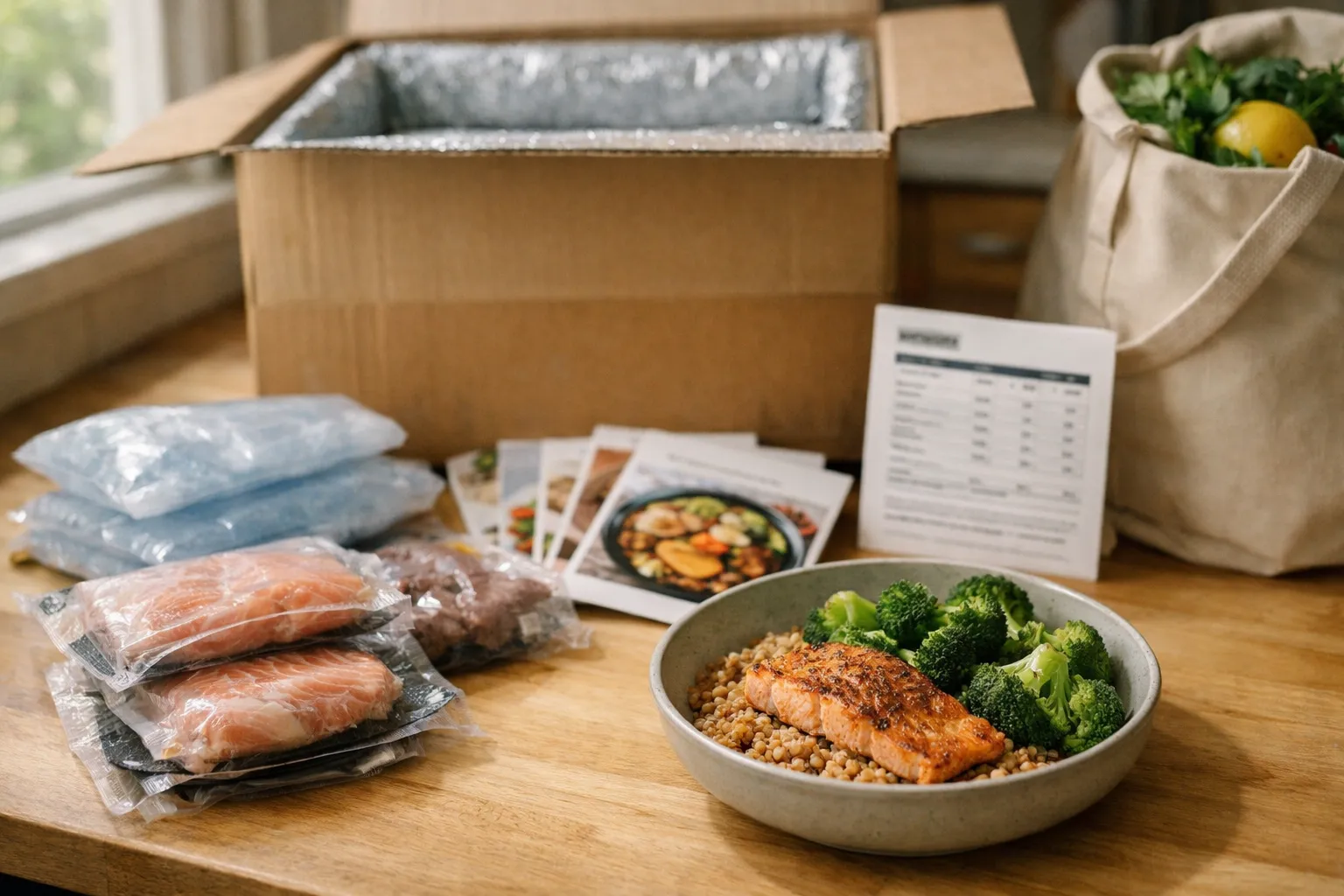
Recipe cards and the online interface remain clear—stepwise instructions, timing flags and photos help home cooks. Fresh & Ready continues to be a reliable weekday option. Sunbasket’s packaging still uses insulated liners and recyclable cardboard; the company has expanded guidance and third‑party take‑back options for delivery film and gel packs in more metropolitan ZIP codes, but availability varies. Reuse and recycling remain worth checking on your local curbside rules.
Pros and Cons (Nov 2026)
- Pros: fiber‑forward menus, improved carb and added‑sugar visibility for more meals, strong flavor range and consistent Fresh & Ready performance; flexible kit/ready mix suits both cooks and convenience buyers.
- Cons: not a medical nutrition program—labeling is per recipe, not individualized; some meals still include sweetened sauces or higher sodium; prices have ticked up modestly since mid‑2026.
Pricing and value
Updated cost snapshot (Nov 2026): expect typical per‑serving costs of $13–$17 for Diabetes‑Friendly recipe kits when choosing mid‑tier proteins; Fresh & Ready single‑serve lunches commonly run $10–$14. Shipping depends on ZIP code and order size; ordering multiple meals per week reduces shipping per serving. Compared with dedicated prepared diabetic meal services (which often set fixed calorie and carb levels), Sunbasket sits in the mid‑to‑upper price band but delivers greater variety and hands‑on cooking options.
Value proposition: strongest for home cooks who want ingredient transparency, portion control and occasional convenience meals. If you need exact carbohydrate counts for insulin dosing, pair Sunbasket with a CGM or consult an RD to standardize portions and substitutions.
Who It's For
Good fit: busy cooks with type 2 diabetes, prediabetes or anyone aiming to reduce post‑meal glucose swings who value variety and a mix of kits plus ready‑to‑heat options. Also useful for couples who want flexible meal sizes.
Less suited: people requiring strict clinical meal plans for intensive insulin dosing, households on very tight budgets, or those needing rigid sodium targets without manual recipe modification.
Alternatives
- Factor (HelloFresh‑owned): stronger on fully prepared meals and convenience; good labeling but typically less hands‑on cooking variety.
- Fresh n’ Lean: focused on prepared diabetic‑friendly and low‑carb meals, targeted portions and predictable macros for insulin users.
- Local dietitian‑driven meal services or clinical outpatient programs: individualized medical nutrition therapy, higher cost and lower menu variety but suitable for complex medical needs.
Verdict
Sunbasket’s Diabetes‑Friendly plan remains a practical, flavorful option as of November 2026. It’s not a substitute for personalized medical nutrition therapy, but it delivers portion‑controlled, fiber‑forward meals with clearer labeling than a few years ago. For most people with type 2 diabetes or prediabetes who want variety and a mix of cooking and ready‑to‑eat choices, Sunbasket is worth trying—especially if you pair it with a CGM or periodic RD consultations to identify the items that fit your individual glucose response.
Updated recommendations — how to get the most from Sunbasket in late 2026
- Use the Diabetes‑Friendly filter and favor meals that list total and added sugars.
- If you use a CGM, test comparable meals once (kit vs. Fresh & Ready; grain vs. vegetable base) to identify personal triggers.
- Prioritize higher‑fiber selections (≥6 g fiber) and add extra nonstarchy vegetables to higher‑carb plates.
- Request sauces or glazes on the side when possible, and reserve sweetened dressings for occasional use.
- Watch sodium if on a restricted plan—swap or omit pantry blends, and choose lower‑sodium Fresh & Ready options when available.
FAQ
Is Sunbasket’s Diabetes‑Friendly plan medically supervised?
No. The Diabetes‑Friendly label is a menu category based on general diabetes‑aware principles (lean protein, fiber, portion control). It’s not individualized medical nutrition therapy. People with insulin dosing or complex conditions should consult a clinician or registered dietitian before relying solely on a meal‑kit plan.
Can I use a CGM with Sunbasket meals to personalize choices?
Yes. Many people use CGMs to compare responses to similar meals and to learn which ingredients or sauces raise their glucose. Try a kit and a Fresh & Ready version of a similar dish on different days to see which produces smaller post‑meal excursions.
How can I keep costs down while using the Diabetes‑Friendly plan?
Order multiple meals per delivery to spread shipping, choose mid‑tier proteins (chicken, legumes), watch first‑order or referral credits, and favor kits if you enjoy cooking—kits typically deliver more servings per dollar than single‑serve prepared items.
Are Fresh & Ready meals as nutritious as the kits?
Fresh & Ready items are comparable in macronutrient composition when labeled Diabetes‑Friendly and are convenient for lunches. They can be higher in sodium versus kits—check nutrition facts and choose lower‑sodium options if that’s a priority.
What should I avoid if I’m very carbohydrate‑sensitive?
Scan menus for sweetened glazes, honey, or added sugar in sauces, and avoid higher‑glycemic grains like white rice. Favor vegetable‑heavy or legume‑based options and consider swapping grains for extra nonstarchy vegetables where the menu permits.