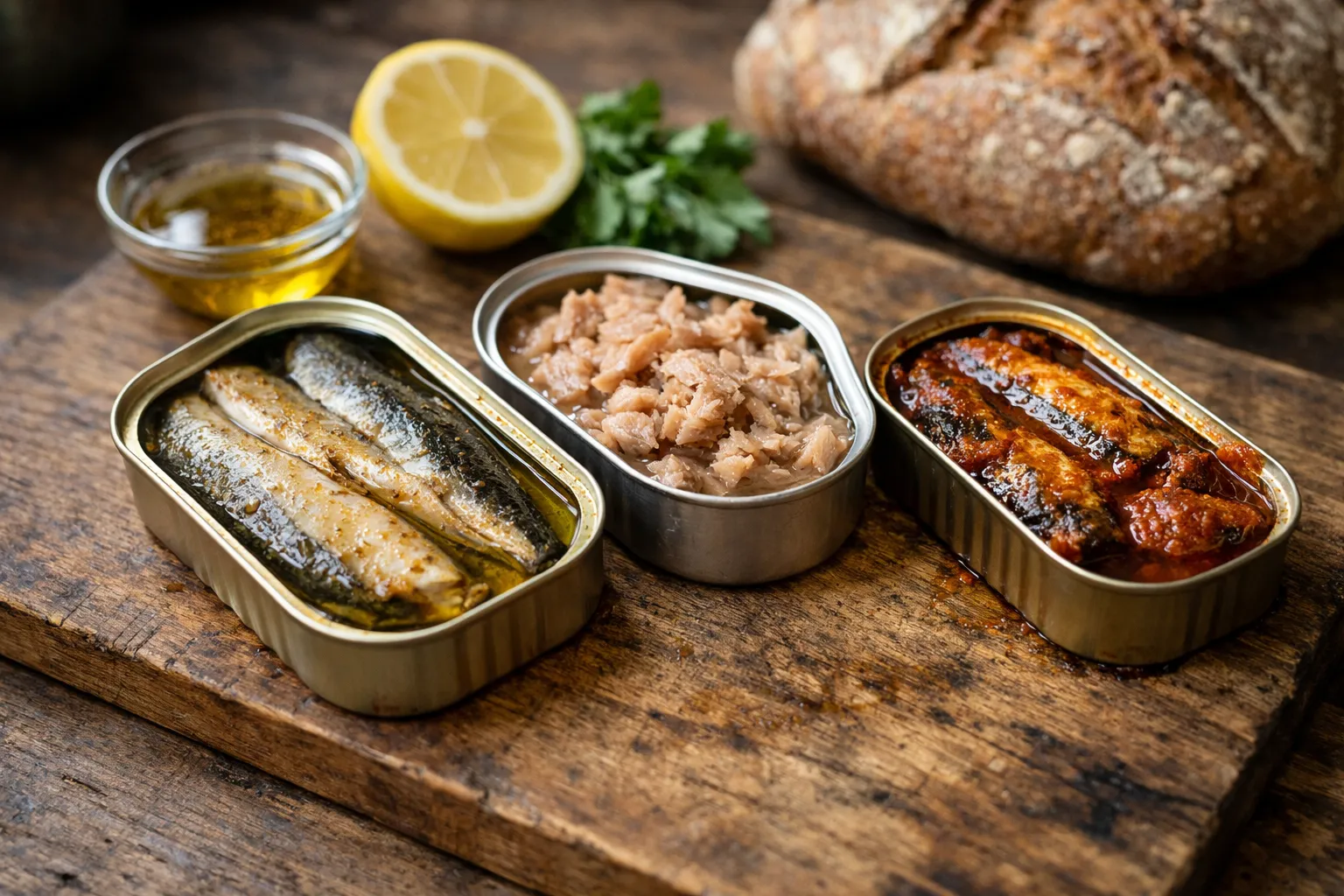
Overview: Between 2020 and mid‑2026 canned seafood has moved from utilitarian pantry stock to a deliberate culinary choice for many home cooks. This update explains what changed since the original 2026 coverage: new traceability norms, product formats, procurement pressures tied to climate variability, and practical adjustments you should make when shopping and cooking in July 2026.
Background: why canned seafood matters now
Canned and tinned fish long offered a shelf‑stable, nutrient‑dense option. What’s new is how consumers and the supply chain have reframed those tins: as finished, flavor‑forward products that can substitute for cured meats, condiments or a restaurant‑quality garnish. That transition started earlier in the decade, driven by social‑media recipe trends, conservas imports from Iberia, and shopper demand for both provenance and convenience. By 2026 those forces have expanded into measurable retail and product changes—more provenance labels, new heat‑and‑serve and single‑serve formats, and an increasingly visible sustainability conversation.
Data and evidence: market signals and supply trends
Hard numbers available publicly for the whole market are scattered across trade and industry reports. What’s observable and verifiable in mid‑2026:
- Traceability uptake: Major certification bodies (for example, the Marine Stewardship Council) and several large retail chains now expect QR‑linked catch information on mid‑ and premium‑tier tins. Scans on packaging that link to vessel and catch‑date pages are increasingly common in specialty imports and higher‑end private labels.
- Product diversification: Retail assortments in metropolitan grocery chains show a larger proportion of whole‑fillet conservas (sardines, anchoa/anchovies, bonito) and value‑added tins (smoked varieties, spiced and sauce‑paired lines), alongside traditional chunked tuna and salmon for everyday use.
- Format innovation: Retort (shelf‑stable pouch) and single‑serve, resealable formats have gained shelf presence, aimed at on‑the‑go consumption and single households wanting better portion control without sacrificing texture.
- Supply pressure and seasonality: Fishery management bulletins and NOAA/FAO reporting through 2024–25 documented increasing regional variability in small pelagic stocks. That variability has translated into more pronounced seasonal availability for species like Atlantic sardines and mackerel, prompting limited runs and higher price points for some conservas in 2026.
Multiple perspectives: industry players and cooks
Producers: Artisanal canneries in Spain and Portugal continue to drive culinary perception of “conservas,” emphasizing whole‑fillet processing, gentle steam cooking at canning and high‑quality finishing oils. Larger processors and CPG firms remain focused on scale—optimizing for cost, extended shelf life and a range of packings (brine, oil, sauces).
Retailers and importers: Specialty importers report steady demand for premium tins, especially in urban markets and among subscription box customers. Supermarket buyers say private labels that emphasize traceability and more interesting packings (olive‑oil with lemon, smoked mackerel in chili oil) are outperforming plain commodity tins in trial measures.
Home cooks and chefs: Recipe creators and chefs have continued to expand uses for tins beyond sandwich and salad filling. Chefs who work with canned fish emphasize technique: drain or reserve oil depending on dish needs; reheat gently to preserve texture; and finish with acid and herbs to balance the oiliness of the tin.
Cause and effect: why these shifts are happening
Three interacting causes explain current market shape:
- Consumer demand for story and flavor: Buyers willing to pay a premium expect provenance and culinary usability. That drives canneries to provide traceability and craft presentation.
- Retail competition and category premiumization: Retailers seeking differentiation have expanded shelf space for premium tins and created private‑label premium lines, nudging category expectations upward.
- Environmental and fishery variability: Regional stock shifts and episodic marine heatwaves increase unpredictability for certain species, which raises spot prices and creates limited seasonal runs that retailers promote as “special editions.”
Culinary impact: texture, packing medium and new recipe approaches
Not all tins behave the same at the stovetop or on a plate. Updated considerations for 2026:
- Whole fillets vs flaked: Whole‑fillet conservas retain texture and can be briefly seared or warmed without falling apart. Flaked tins are better where you want a uniform texture (spreads, mixed salads).
- Packing oil is part of the recipe: With many premium tins, the oil is intentionally flavored and should be treated as an ingredient—use it in dressings, to finish roasted vegetables, or to enrich grains.
- Brine and sauces: Brine‑packed fish is bright and works well in vinaigrette‑forward salads; tomato and mustard packs act as instant sauces for grains and pasta.
- New formats change technique: Single‑serve retort pouches heat faster and often have softer textures; treat them more like ready‑to‑eat protein and avoid aggressive searing that can disintegrate the fish.
Nutrition and pantry economics
Canned fish remains a strong source of lean protein and long‑chain omega‑3s; small whole fish (sardines) provide bioavailable calcium when eaten with bones. From an economic perspective, the category now spans value plays for everyday meals (commodity tuna, salmon) and premium tins that can function as a finishing ingredient—reducing the need for additional fats or added ingredients in a composed dish. For many households, a mixed strategy—keeping both an economical tuna and one or two premium tins—offers the best balance of nutrition, convenience and culinary payoff.
How to shop in 2026: updated label literacy
When choosing a tin today, look for these specifics:
- Species and cut: Whole fillet, steak, chunk, flaked—choose based on the intended use.
- Packing medium: Decide whether you want to use the oil (olive oil‑packed) or prefer a bright brine; read the label for added flavors or smoking.
- Traceability and certifications: Scan QR codes when present to see vessel, catch date and processing information. Look for credible certifications such as MSC or national fishery management labels where relevant.
- Nutrition details: If omega‑3s or sodium matter, check the nutrition panel—some artisanal tins are lightly salted, others are designed with higher salt for preservation.
- Format and shelf life: Note single‑serve versus multi‑serve tins and any storage instructions; once opened, transfer to a covered container and refrigerate, using within 2–3 days for best texture.
Case studies: how producers position tins in 2026
- Artisanal conservas exporters: Small Iberian canneries continue to market whole‑fillet tins that highlight catch day and finishing oil, targeting specialty shops and direct‑to‑consumer boxes.
- Traceable mainstream brands: US and EU brands emphasizing pole‑and‑line or line caught sourcing and QR traceability aim to bridge the premium/sustainable divide for mainstream shoppers.
- Value lines and private labels: Large retailers maintain low‑cost, high‑volume offerings for everyday cooking; many have introduced premium private labels with better provenance and packaging to capture upmarket buyers.
Implications for home cooks
For home cooks the practical takeaway remains: read the tin, decide whether you’re buying for texture or convenience, and let the packing medium guide finishing choices. In 2026, treat a premium conservas tin like a specialty ingredient—you may need less additional seasoning and can rely on the oil or sauce as part of the dish’s flavor profile. Keep value tins for casseroles, salads and weekday staples.
Outlook: what to watch next
Through late 2026 keep an eye on three dynamics:
- Traceability becoming baseline: QR‑linked catch data will likely become common across premium and many mainstream tins; if provenance matters to you, expect easier verification at point of sale.
- Seasonal scarcity and price swings: Expect intermittent limited runs for small pelagics; plan recipes accordingly and consider frozen alternatives when prices spike.
- Format experimentation: Look for more hybrid products—shelf‑stable bowls, enhanced sauces, and single‑serve, heatable tins—that aim to combine quality with convenience.
How long will an opened tin last in the fridge?
Transfer contents to a covered, non‑metal container and refrigerate. Use within 48–72 hours for best texture and flavor. If a strong fishy odor develops or the oil smells rancid, discard.
Are premium conservas worth the price?
It depends on use. Premium whole‑fillet tins deliver superior texture and finishing oil that can elevate a simple plate—so for dishes where the tin is a focal ingredient, they offer good value. For mixed dishes or high‑volume use, value tins remain economical.
How reliable are QR traceability links?
QR codes add transparency, but the quality of information varies. Look for data that includes vessel, catch date and processing location; certifications (MSC or equivalent) provide an added layer of independent verification.
Can canned fish replace fresh in recipes?
Canned fish can replace fresh fish in many composed dishes (salads, toasts, pastas) where texture is not the centerpiece. For preparations that rely on delicate flakiness or a raw texture, fresh remains preferable.
What species should I prioritize for sustainability?
Smaller pelagics (sardines, Atlantic mackerel) are often lower on the trophic scale and can be more sustainable when well managed—look for fishery‑specific certifications and recent catch information rather than relying solely on species names.
For food enthusiasts, the canned‑seafood renaissance in 2026 is practical as well as flavorful: better provenance, new formats and clearer culinary roles make tins a deliberate tool in the home kitchen. Read labels, choose the cut and packing that suit your dish, and use premium tins as you would other specialty ingredients—sparingly and with intention.